Managing Psychosocial Risks: Move from Policy Intent to Demonstrable Due Diligence.
Traditional systems track lagging indicators like disengagement and burnout. To meet the 2026 Australian Code of Practice, you need the earliest signal of risk. An Emotional Pulse.
The 2025 Regulatory Shift: Why "Business as Usual" is Now a Liability
By the time risks appear in surveys, exit interviews or WorkCover reports, the harm has occurred. Managing psychosocial hazards often feels reactive and administrative because you are managing outcomes instead of detecting movement.
The data is clear.

Increase in 2023–24 Alone – Mental health claims continue to grow year-on-year.

Median Compensation Cost – More than four times higher than physical injury claims.

Weeks Median Time Off Work – The longest absence duration of any claim category.

Average EAP Utilisation – Traditional "Level 3" supports reach only a fraction of your at-risk workforce.
The Code Requires Active Signals, Not Just Annual Snapshots.
The Code of Practice requires organisations to actively identify, assess and review psychosocial risks on an ongoing basis, not just document them annually.
Most systems detect risk once behaviour changes or claims are filed. The issue isn't your intent, it's your timing.
Here's what happens when early signals go unseen.

Emotional Strain
John, a high-performing Lead, becomes a full-time carer for his father overnight; he stays silent, but his internal capacity is instantly halved.
Emotional strain is now a leading indicator of risk, yet his KPIs remain "Green" creating a total blind spot for leadership
The Withdrawal
Unable to sustain the dual burden, John "quietly withdraws" from team collaboration and stops contributing to the culture.
Quarterly surveys miss this weekly movement; the psychosocial hazard of "Role Overload" is now established but invisible.
Behavioural Change
A manager notices John is unkempt and exhausted but pushes for "target achievement" rather than exploring his capacity.
By ignoring visible strain, the business fails its Primary Duty of Care to assess and control risks at the source.
Clinical Harm
John collapses into deep clinical depression; a psychologist mandates long-term leave.
The business is now liable for an "aggravation of injury" claim, costing $67,400 and months of lost productivity.

The Earliest Leading Indicator of Psychosocial Risk is an Emotional Shift.
Before a complaint is filed, pressure accumulates. Before performance drops, emotional strain builds.
Stress, Overload, and Isolation move emotionally first.
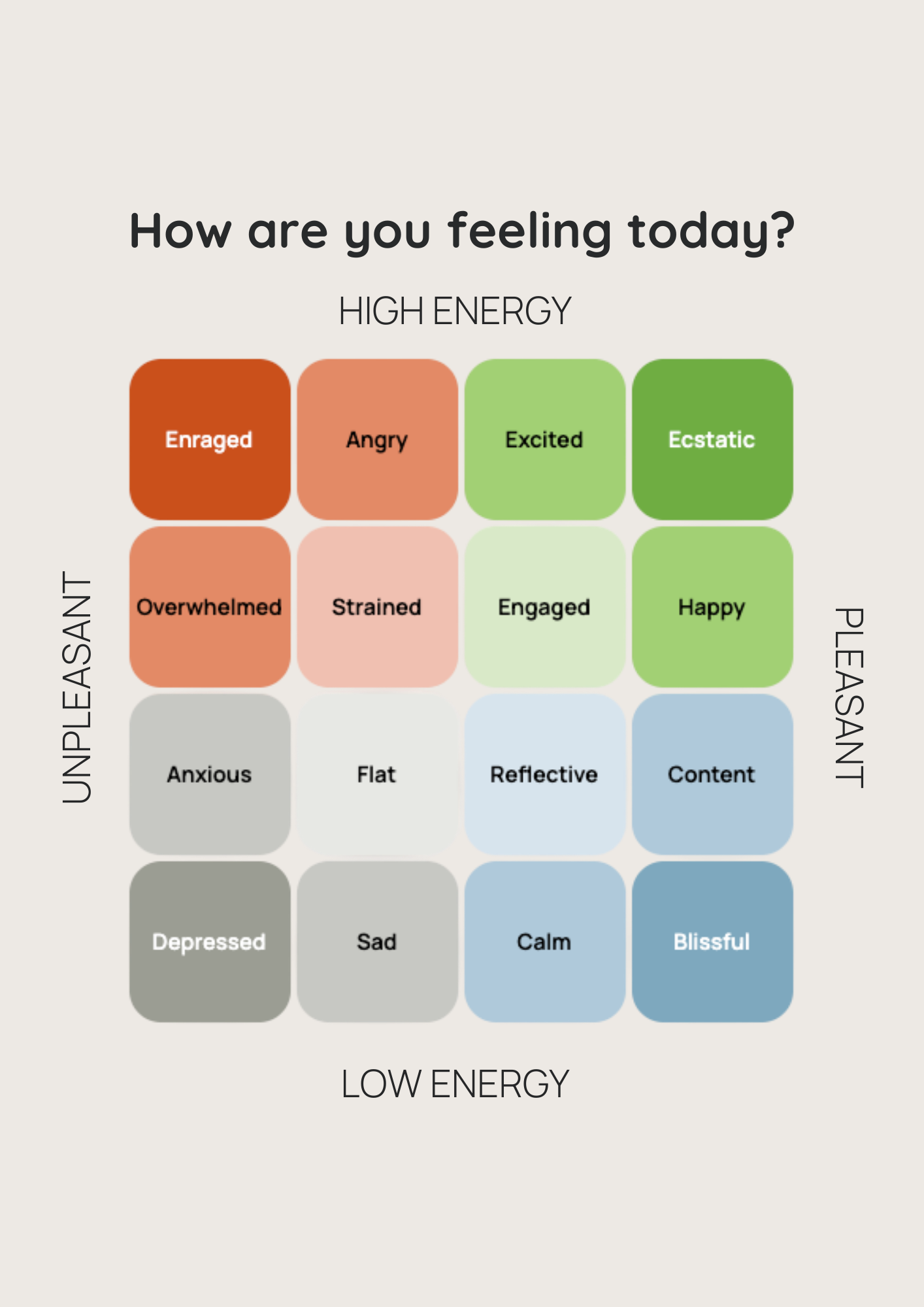
A daily Emotional Pulse captures these shifts early before they escalate into legal or behavioural issues.
Control Risks at the Source with Real-Time Data.
Under Australian WHS law, you are expected to eliminate or reduce risk as far as is "reasonably practicable".
Traditional controls like EAPs are "administrative". They respond after the harm has occurred.
By using emotional signals, you can implement higher-level controls: adjusting workloads, improving supervision, and redesigning tasks in real-time.
hazards
risks
risks
revise

Compliance Without Surveillance.
Built on Trust.
Early signals only work if employees trust the system.
For employees, it's early access to support.
For leaders, it's visibility without breaching trust.
Individual Privacy
No individual data is ever visible to management. All entries are encrypted and securely held.
User Agency
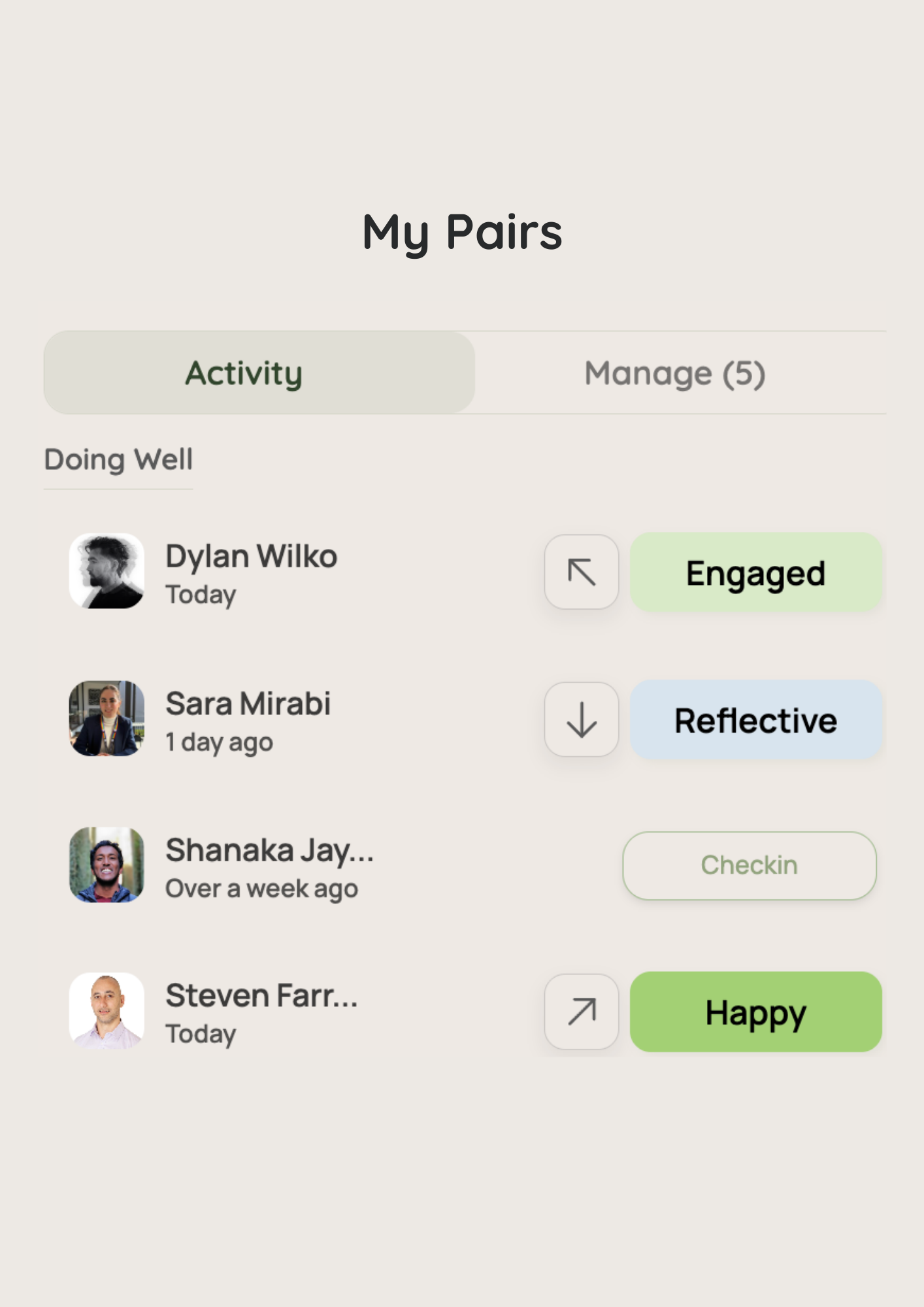
Users choose who they connect with via the Hand of Support. No forced sharing.
Confidential AI Support
Users can engage with our AI MHFR to confidentially discuss challenges and take first steps to get support.
Aggregated Trends
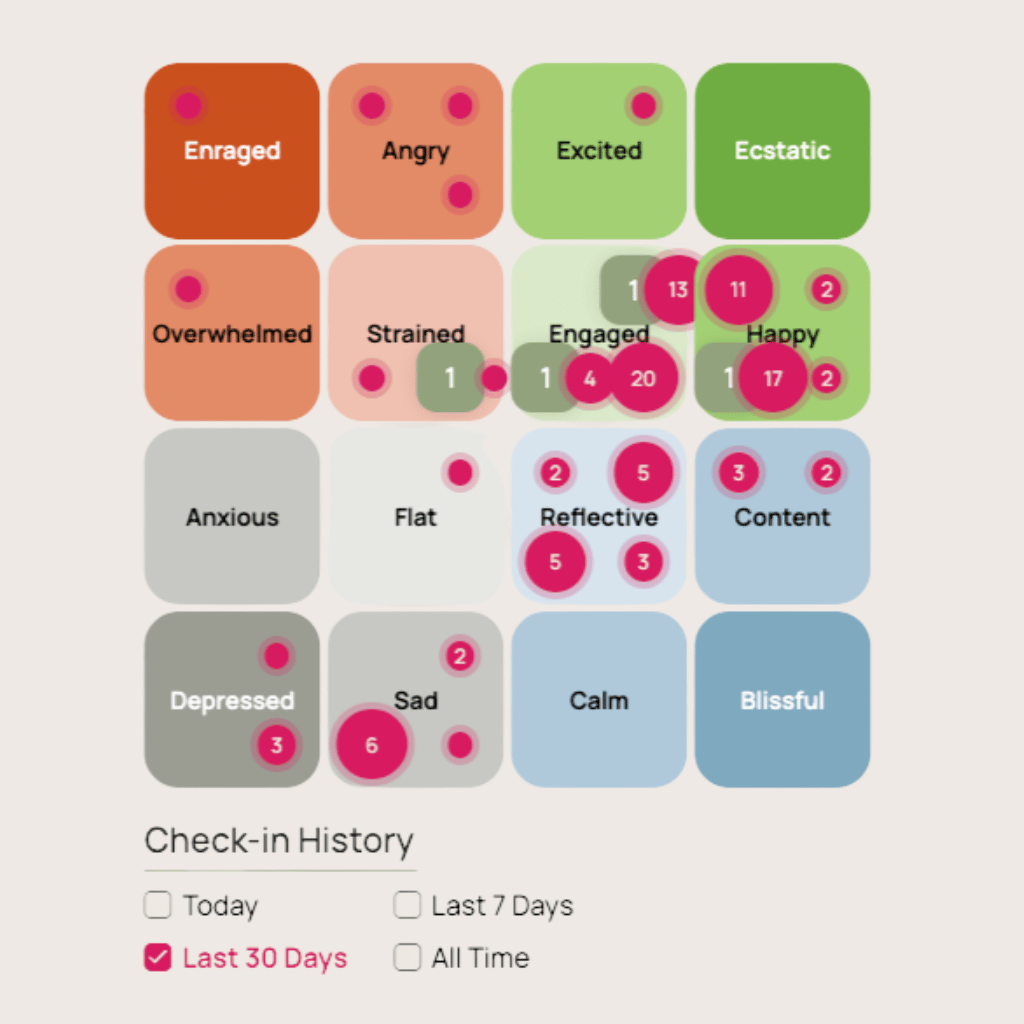
Leaders see organisational risk patterns and hotspots, never individual people or specific responses.
The Bridge of Trust Connects People to Support Before Crisis.
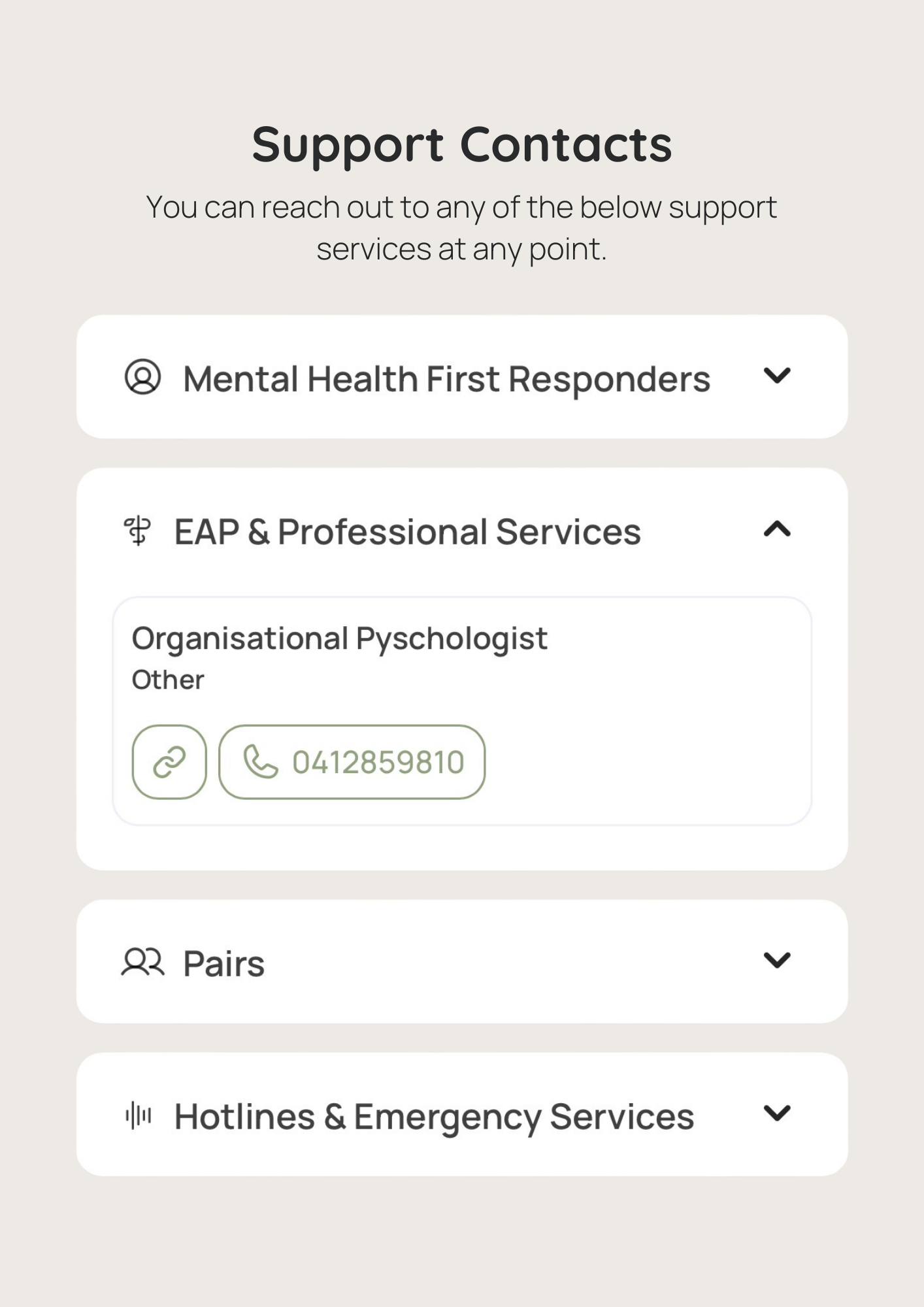
When people feel distressed, they already know who to go to.
Issues surface earlier. Support is faster. Escalation is clearer.
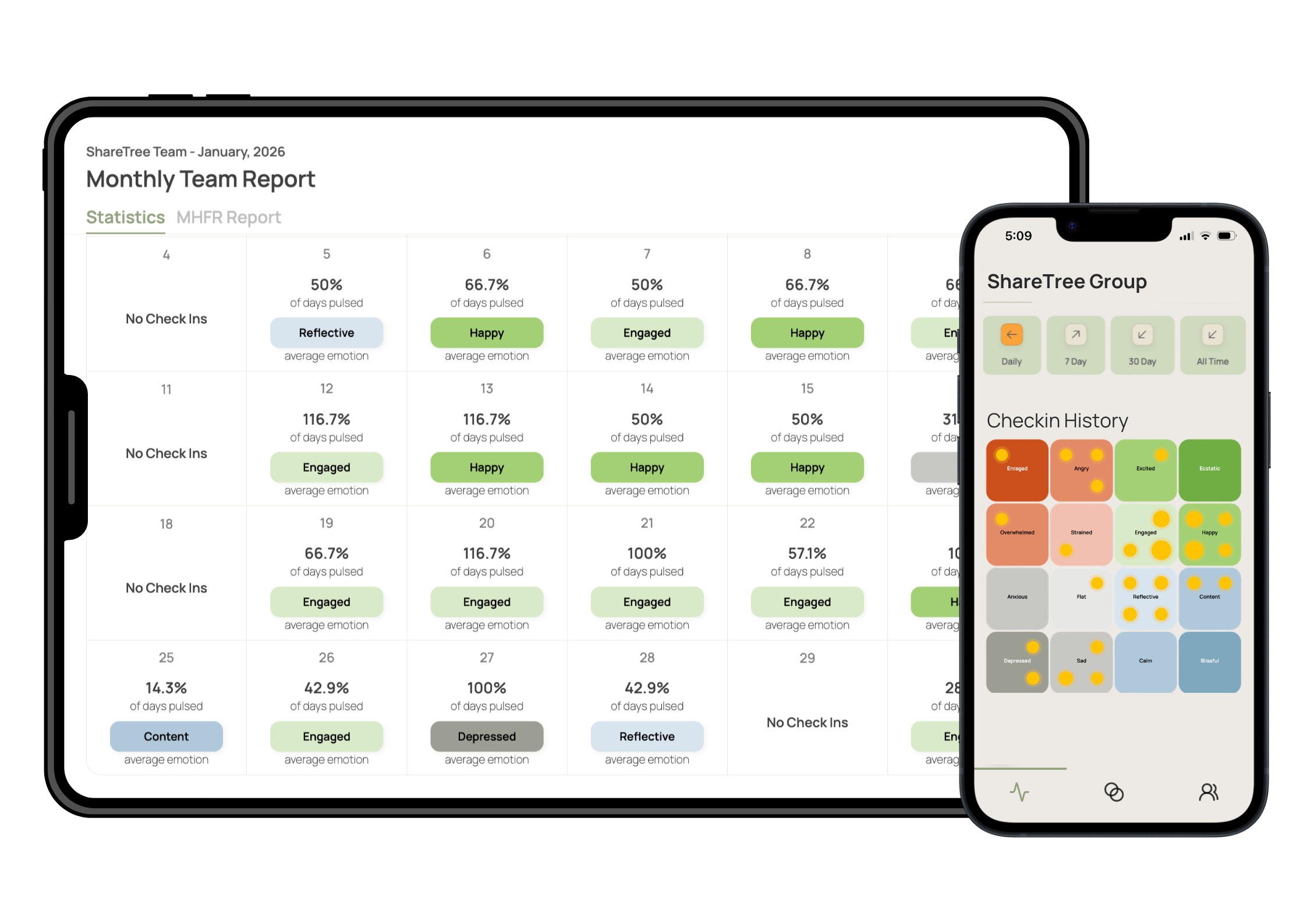
For organisations, monthly aggregated reporting provides insight into overall risk patterns.
Available on




Early Intervention Shortens Distress and Strengthens Support.
Here is what clients who have implemented this approach have experienced.
increase in emotional awareness
feel more supported during challenge
less loneliness with trusted peers
of leaders report improved visibility

Emotional Strain Precedes Safety Incidents.
In safety-critical sectors like mining, healthcare, utilities, and construction, emotional fatigue is a leading indicator of physical accidents.
Managing psychosocial risk isn't just a "People & Culture" task; it is core Operational Risk Management.
Emotional Pulse provides early signals that allow you to intervene before fatigue translates into incidents.
Replace Policy Intent With Verifiable Evidence.
In the event of an audit, Boards aren't asked if they have a policy. They are asked if they can demonstrate active, ongoing risk management
When emotional signals are visible, support is structured and trends are reviewed regularly, you move from documented intention to demonstrable control.