Mood Tracker for Emotional Connection with Yourself., Close Friends., Partners., Family., Social Groups., Teams., Trusted Support.
A simple habit that gives you and the people you care about real visibility into your moods and emotions, so you can build emotional awareness, stay close, notice when something's off, and know when to reach out, before anything has to get heavy.
Download the app. Invite the people who matter.
Available on



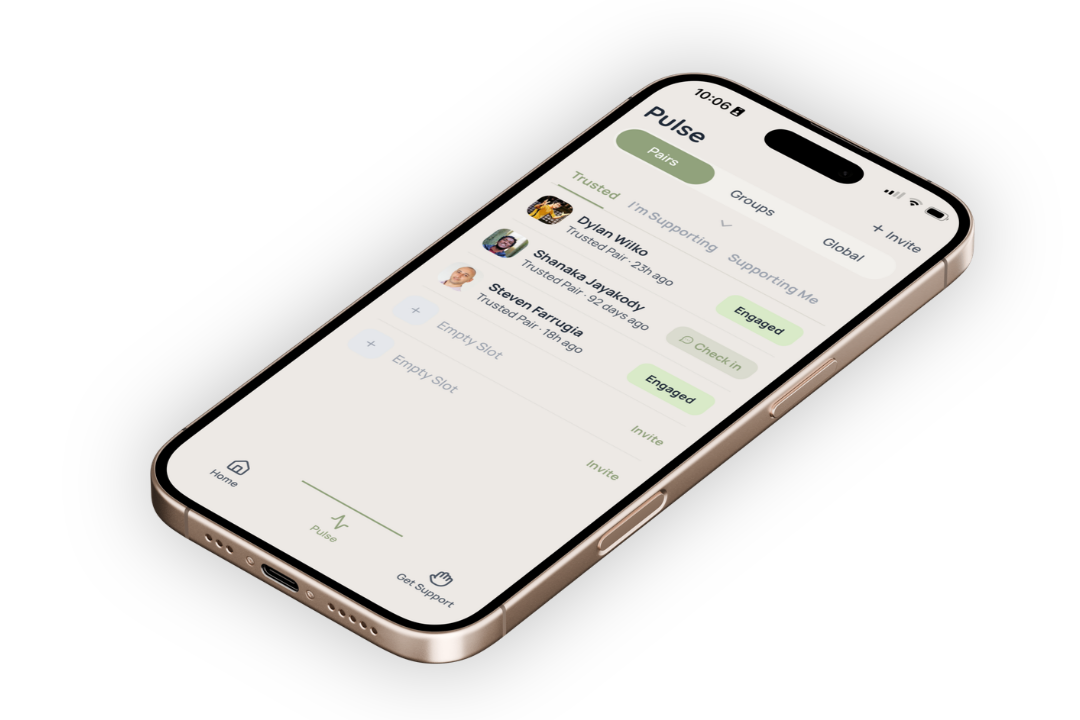
Because the people we care about won't always tell us when they're struggling.
Most of us are pretty good at saying "I’m fine" when we’re not.
And most of us are pretty good at missing it in the people we love.
Not because we don’t care, but because life is busy, the moment rarely arrives, and even when it does, we’re not always sure what to say.
Emotional Pulse makes the moment a daily one. A simple habit that keeps you close to the people who matter, and gives you the skills to actually help when it counts.
A daily habit, built around the people who matter.
Emotional Pulse is built on five connections. The daily check-in is the simple habit that makes everything else possible.
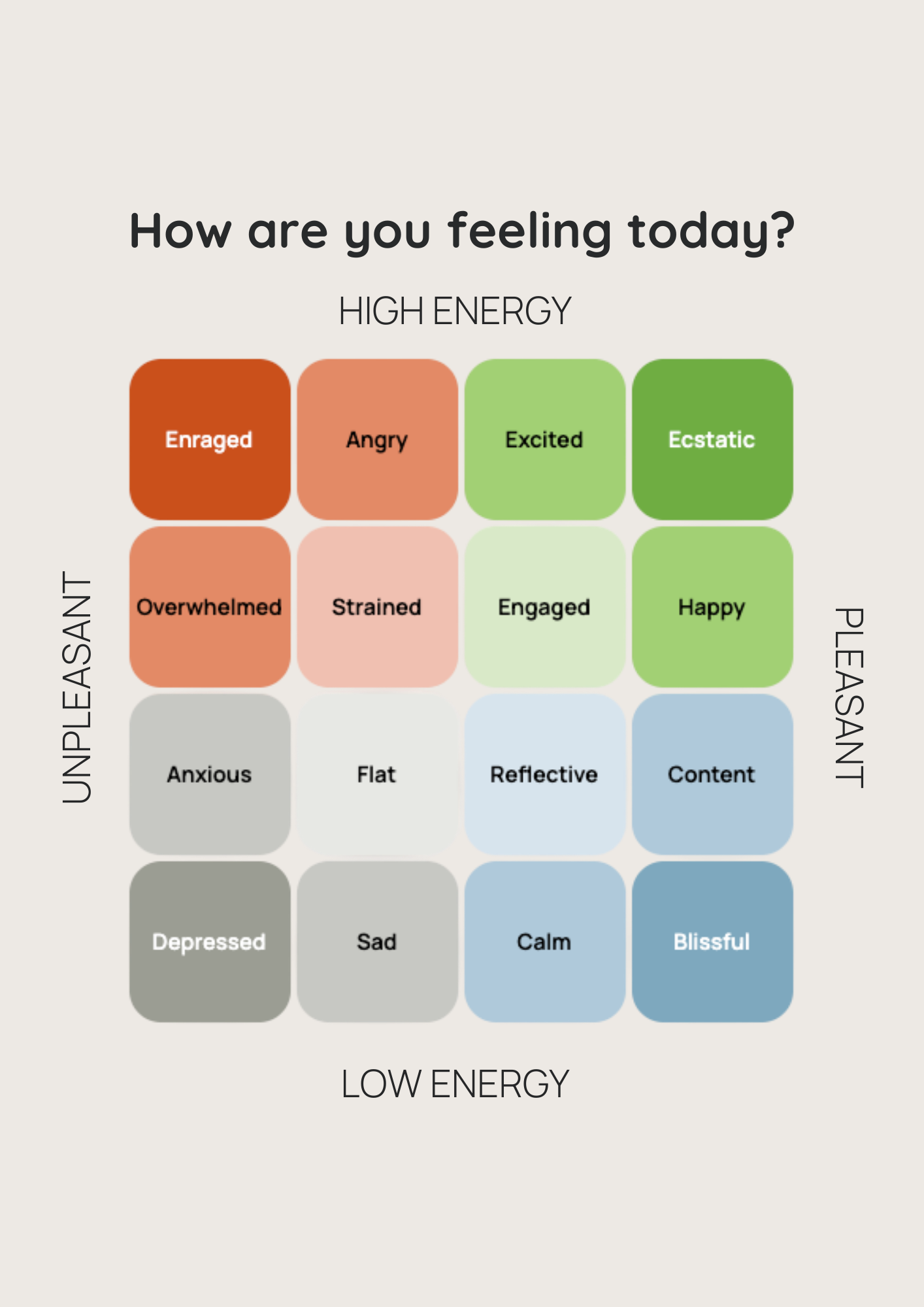
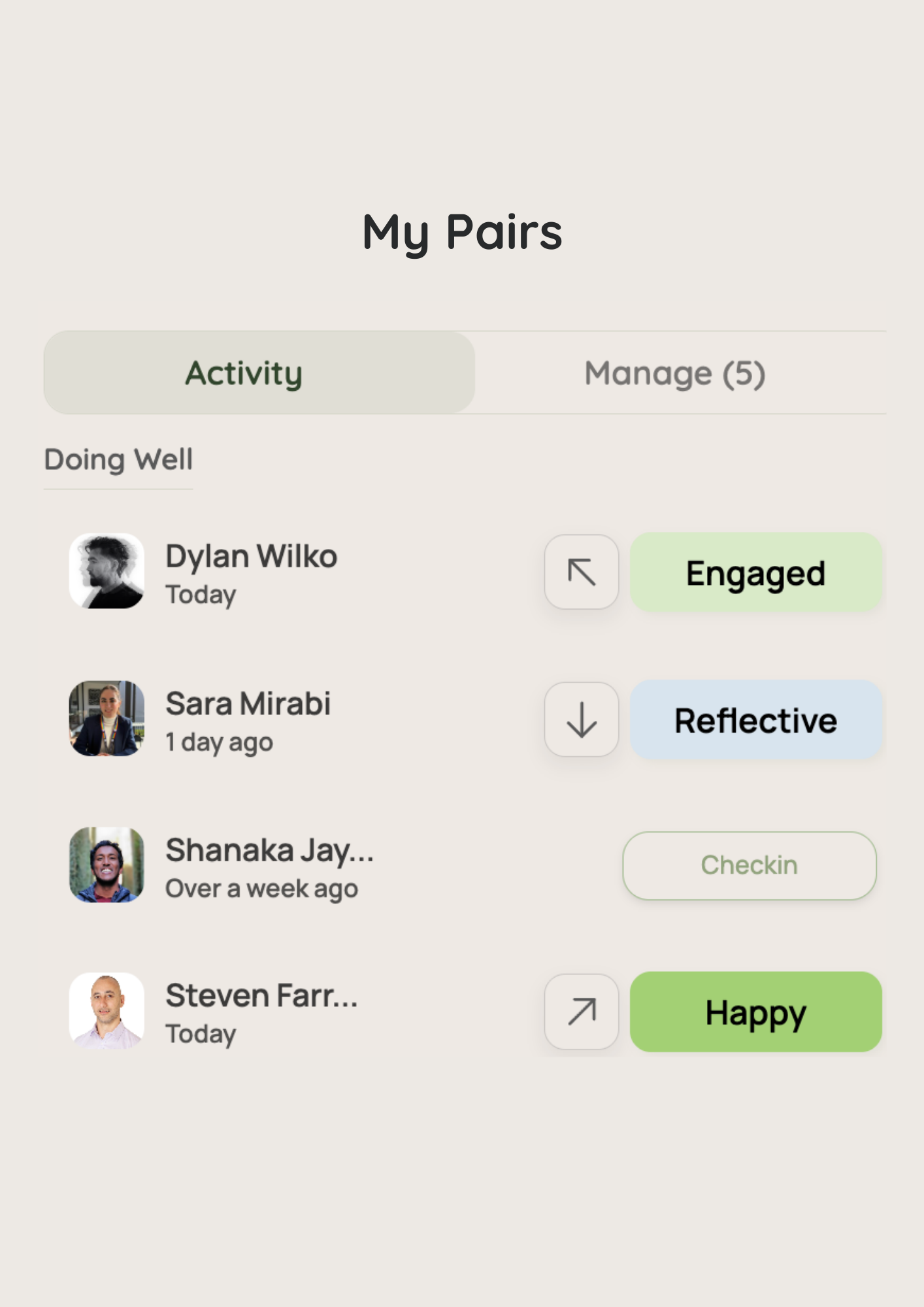
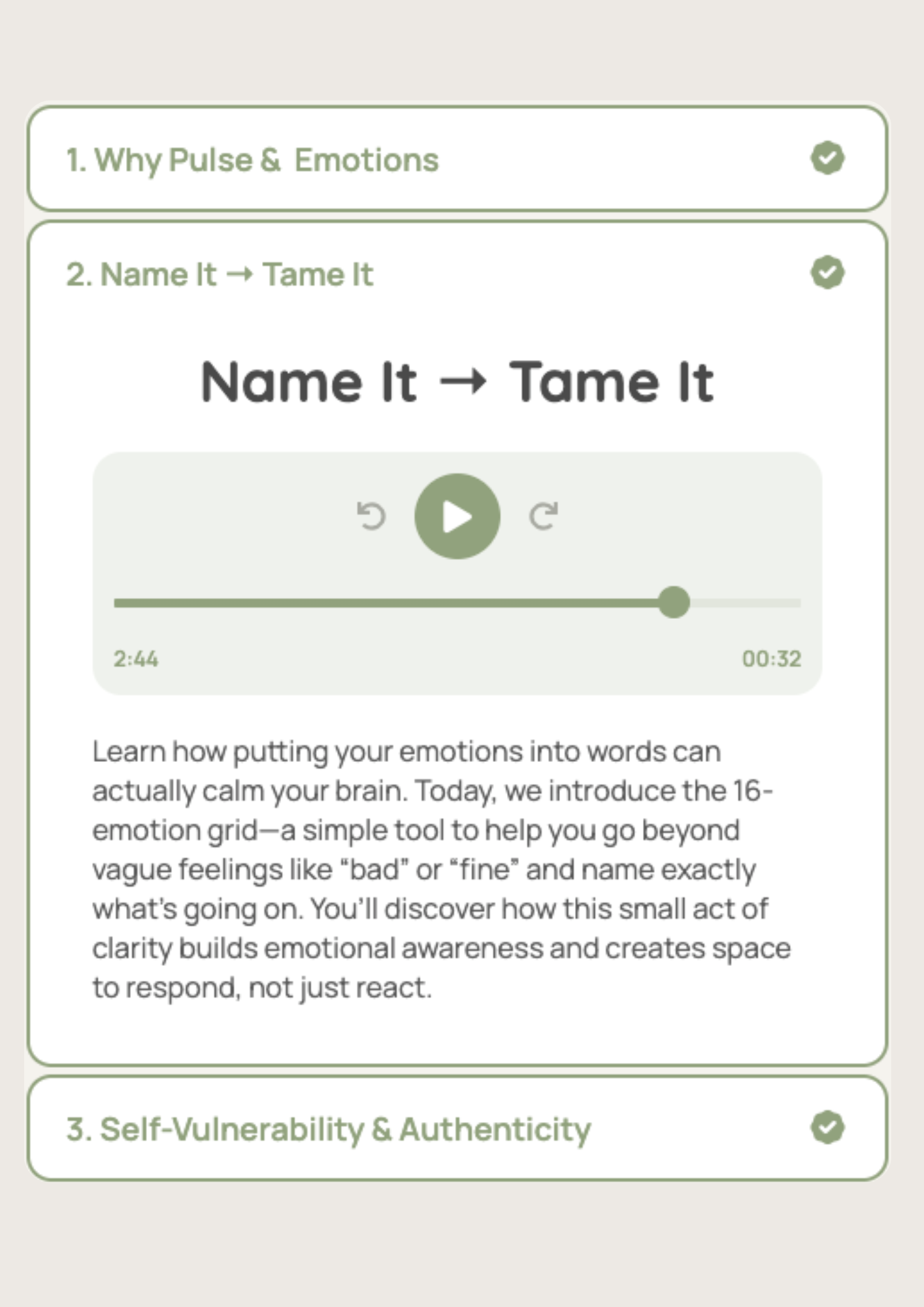
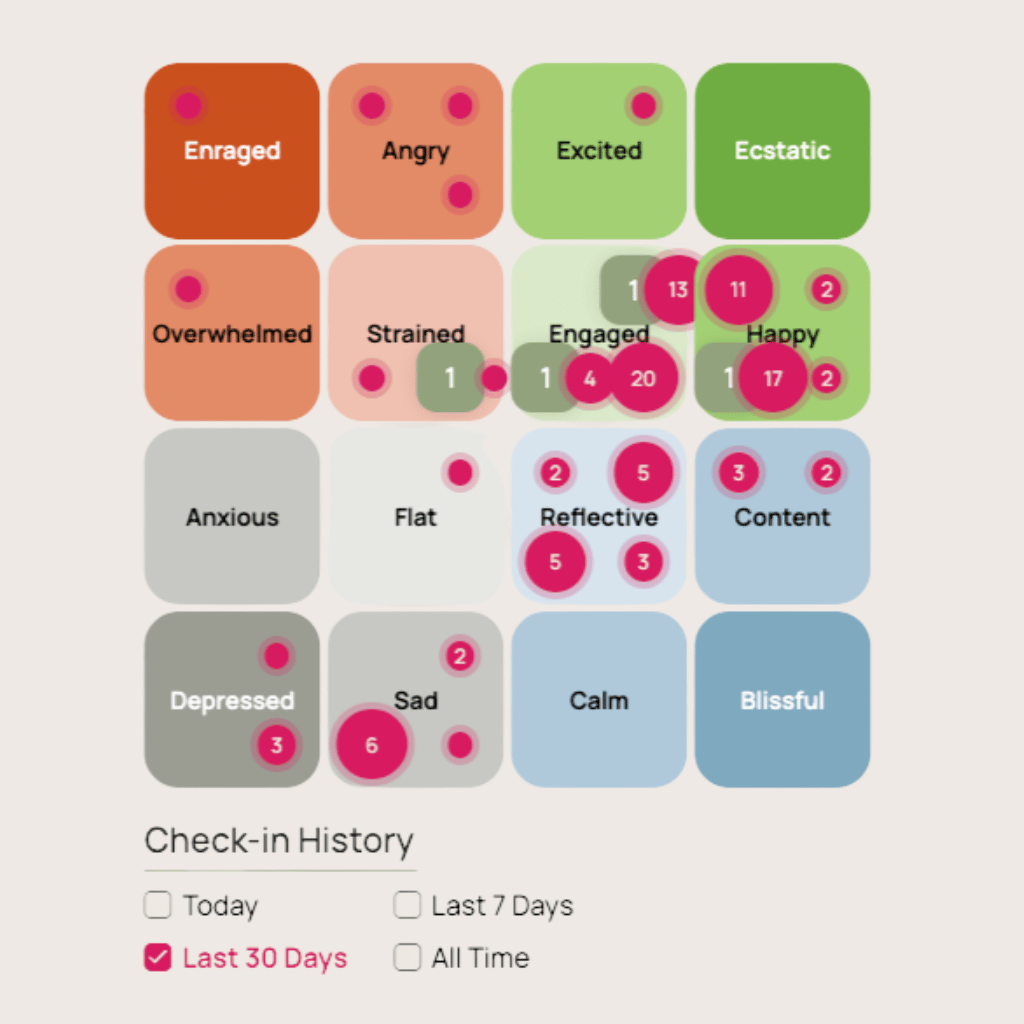
How Emotional Pulse compares to other mood tracking apps.
Most mood trackers stop at the dashboard. We built the next part.
The usual
Most mood tracking apps
What you do
Check in with how you actually feel
What you get back
Patterns, awareness, and a practice
Who else is involved
No one
What happens when it's hard
You're on your own
The underlying idea
Mental health is your private project
The shift
Emotional Pulse
What you do
Check in with how you actually feel
What you get back
Patterns, awareness, and a practice
Who else is involved
Up to 5 trusted people
What happens when it's hard
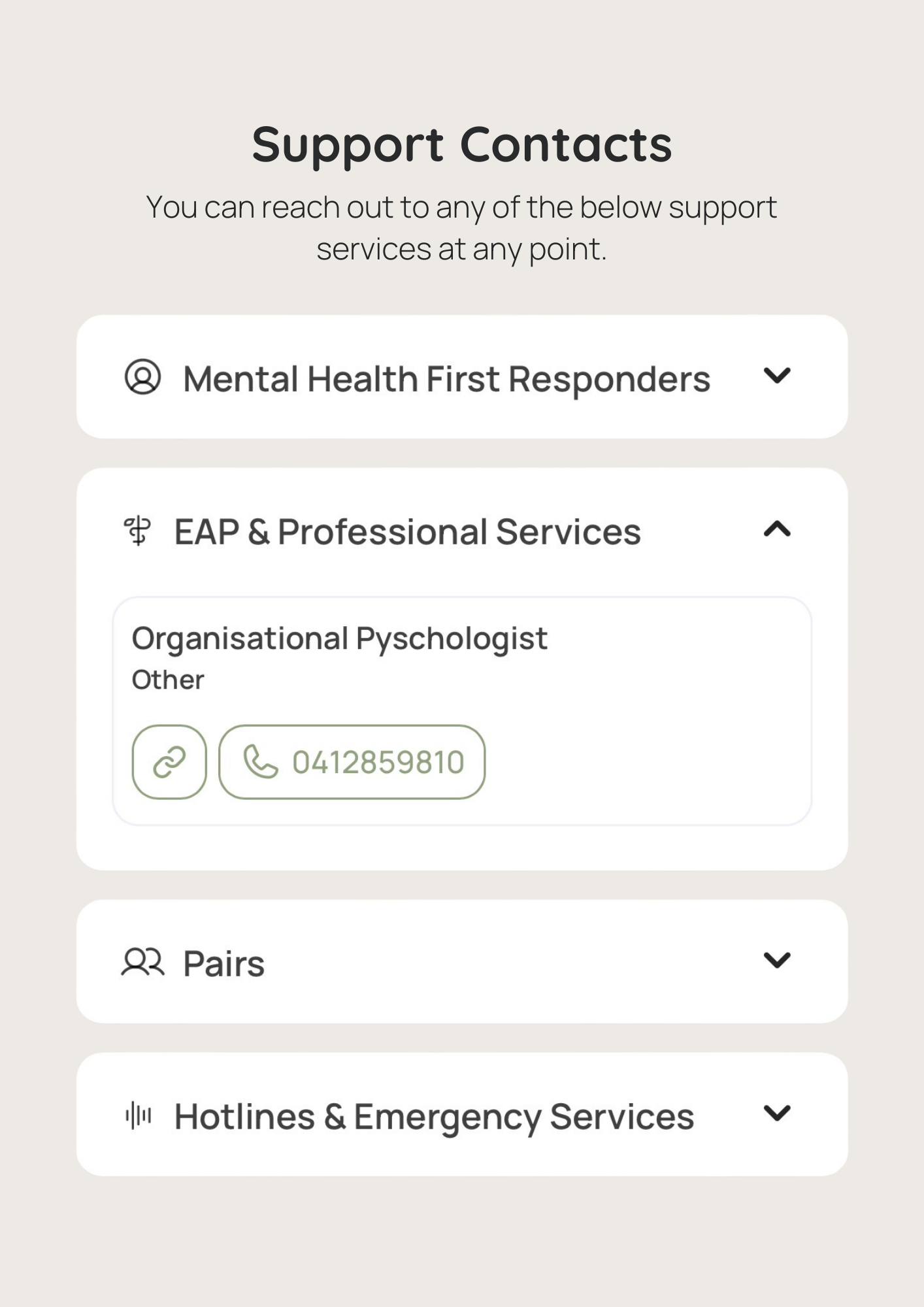
One tap to support
The underlying idea
Mental health is relational

What people say after a few weeks of checking in.
Drawn from our user survey study across 50,000+ check-ins in 118 countries.
increase in emotional awareness
feel more supported in times of challenge
less loneliness for people with trusted pairs
We weren't meant to do this alone.
Mental health has been treated as a private problem for a long time. Something you manage on your own, sort out before bringing to anyone else, see a professional about when it gets bad enough.
That model isn't working. EAPs sit at 5% utilisation. Mental health claims are at record highs. People are quietly burning out inside lives that look fine from the outside.
The way through isn't more apps, more clinicians, or more self-help. It's something simpler and harder. Being honest about how we're really doing, with the people who already care about us, before things get heavy.
That's what Emotional Pulse is built for. Not a replacement for therapy, or a substitute for professional support when you need it, but the daily practice that comes before all of that. The thing that keeps us close enough to each other that we notice, early, when something's shifting.
It's not a new idea. It's the oldest idea. We've just stopped doing it.
What Emotional Pulse isn't.
It's not therapy.
Therapy is professional clinical care. Emotional Pulse is a daily practice that helps you stay close to the people you care about, and gives you a clear path to professional support when you need more.
It's not a peer support app with strangers.
Emotional Pulse is for the people you already know. Your circle, not a forum.
It's not a wellness app.
No streaks to chase, no positivity to perform, no algorithm trying to manage you. Just a small daily habit with people who matter.
It's not a crisis line.
If you're in crisis right now, please reach out to a crisis service directly. Emotional Pulse is built for the daily practice that comes before crisis, not the response to one.
Questions people ask.
Start with one person you care about.
Emotional Pulse works because the people in your circle are on it with you. Pick one person who matters — your partner, your closest friend, your sister, a teammate you trust — and start the practice together. It takes 30 seconds a day. It changes how you stay close.
Free for individuals. Available on iOS, Android, and Microsoft Teams.