For risk managers: a control that reaches everyone, and the record that it ran.
You already have the register, the controls and the review cycle. What is missing is current, worker-sourced evidence between surveys. Reaching in produces it every cycle: de-identified, mapped to recognised factors, and comparable with the last.
What you are accountable for
Identify, assess, control, review. On an ongoing basis.
The Code of Practice requires organisations to actively identify, assess and review psychosocial risks on an ongoing basis, not just document them annually, and to consult the people affected. Two taxonomies are in play and both are named on this page: the Code of Practice's 17 hazards, and ShareTree's ISO 45003-based taxonomy of 20 psychosocial factors across three domains, mapped to the 2026 Code.
17 hazards
named in the Code of Practice
20 factors, 3 domains
ShareTree's ISO 45003-based taxonomy, mapped to the 2026 Code
The report speaks the second; your register can keep either.
What you can see today, and what you cannot
Leading indicators, not only lagging ones
Most organisations rely on lag indicators like claims or resignations, which only confirm harm after it has occurred. A defensible compliance model incorporates lead indicators, such as sustained overtime, backlog growth, and early emotional signals, to detect risk earlier.
Lagging, what you have
- claims
- absence
- turnover
- exit interviews
- the annual survey
Leading, what reaching in adds
- themes from a check-in with every person each cycle
- trends across cycles
- hotspots by team or site
- the record of consultation and response
The control, the record, the reporting
What the reporting actually looks like
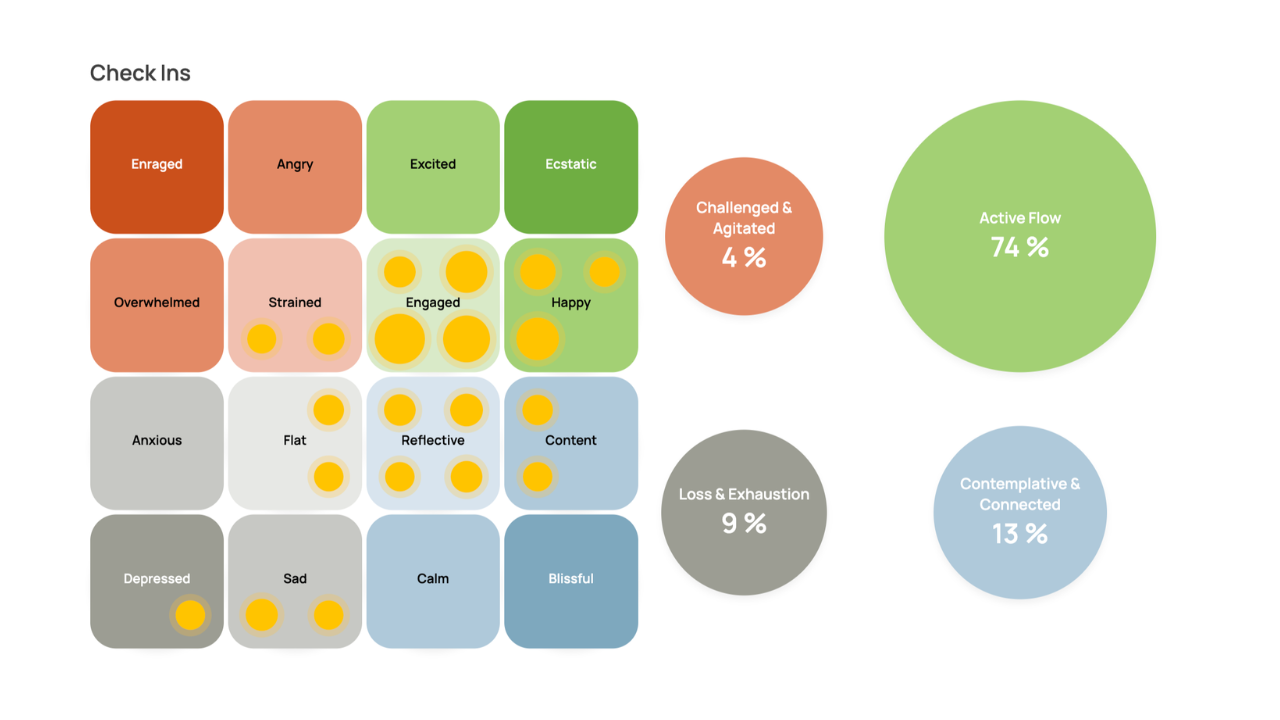
Leaders receive themes, never people. Each reporting period turns what surfaced in check-ins into something a risk register can hold:
Themes mapped to recognised factors
Concerns raised in check-ins are mapped to the ISO 45003-based psychosocial factor taxonomy, with clinically reviewed plain-language definitions, so a theme arrives in language your risk register already speaks.
Trends across periods, not one snapshot
Each cycle is comparable with the last, which is what makes the review step answerable: not whether the actions were completed, but whether exposure actually fell.
Group-level signals with hotspots visible
Where strain is concentrating shows up by team or site while individuals stay de-identified, so controls can be aimed at the work rather than spread thinly across everyone.
A record of consultation and response
Every cycle produces evidence that you asked, what came back, and what was done about it. That is the documentation regulators look for first, generated as a by-product rather than assembled before an audit.
Beside your risk register
How a theme lands in your register
Each theme arrives as:
- the factor (one of the 20)
- how significant it appears
- a confidence measure
- the team or site
- the direction since last cycle
What you do with it is unchanged: a hazard entry, a control, an owner, a review date.
The Proactive EAP tells you what is wrong. Fixing it is still yours.
What keeps it defensible
Participation is voluntary, every cycle
People choose whether to check in and whether to take a call.
De-identified by construction, not by policy
What reaches your reporting carries no name, no contact details and no identifier that links back to a person.
Minimum group sizes, always
Themes appear only across groups of at least five people.
Patterns, not performance management
It is not an input to performance review, and using it that way would destroy the trust the data depends on.
The exact words a person used are never shown to the employer; the transcript is deleted after 30 days; the de-identified summary is kept for up to seven years by default, a period your organisation can set.
From themes to incidents and claims
Emotional strain precedes incidents and claims
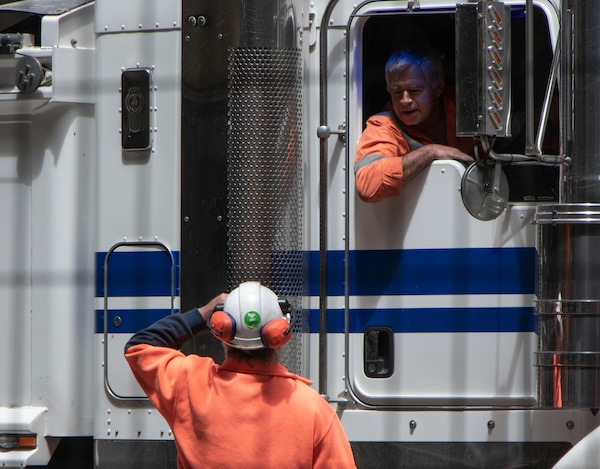
In safety-critical sectors like mining, healthcare, utilities and construction, emotional fatigue is a leading indicator of physical accidents.
A claim is where the evidence ends up, not where the risk starts.
+14.7%
rise in serious mental health condition claims in a single year, and 161.1% over the previous decade
$67,400
what the median serious psychological claim costs
35.7 weeks
away from work for the median serious psychological claim
Safe Work Australia, Key WHS Statistics Australia 2025, 2023–24 data.
Reducing mental health claimsThree solutions, one model
What each solution does for you
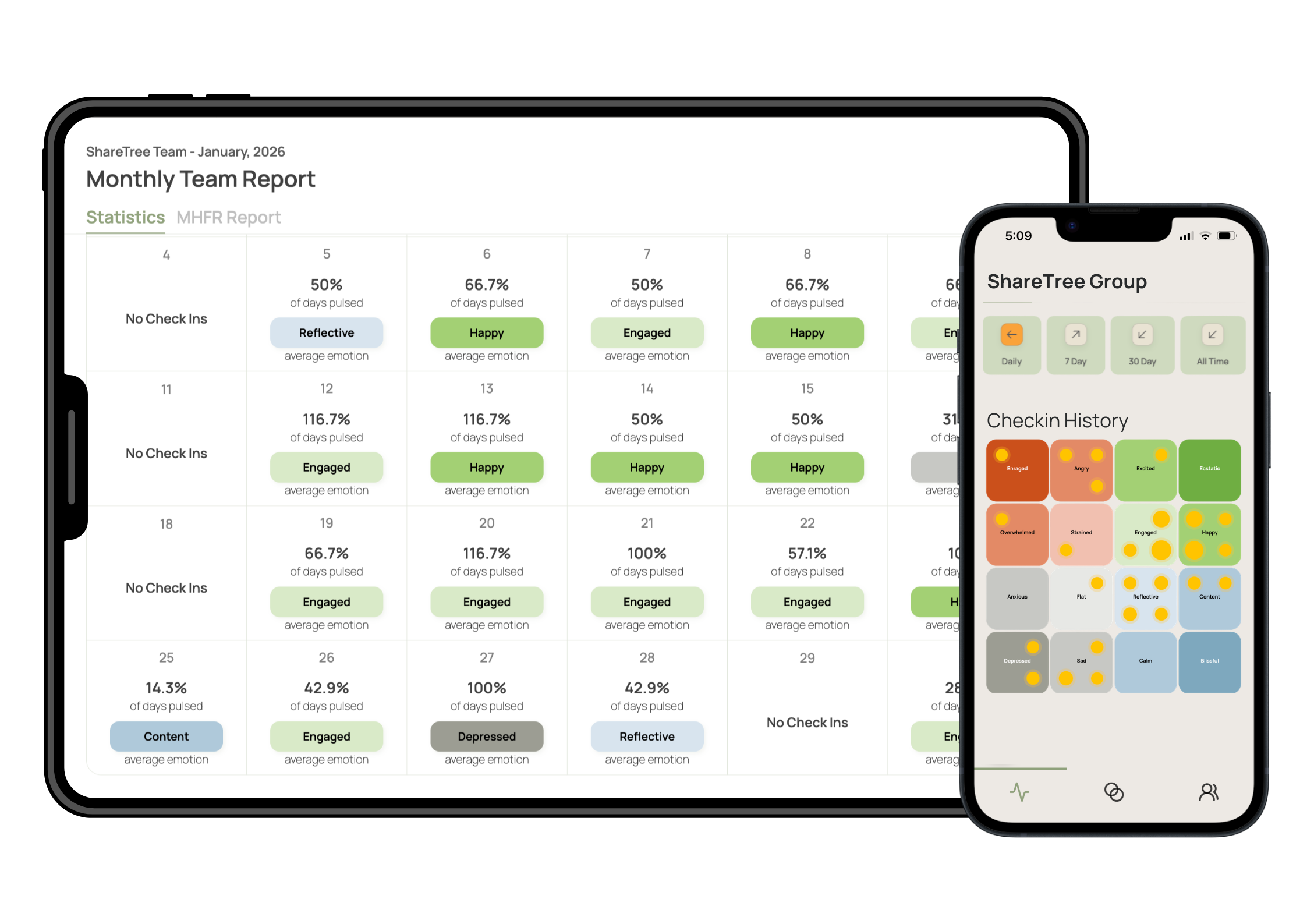
The call that reaches everyone
Proactive check-ins
Identification that reaches everyone, each cycle, and the de-identified report in your own portal: by team, by factor, over time.
Proactive check-insThe people who act
Mental Health Training
Responders and leaders who can act on a theme, consult the people affected, and carry the higher-order controls.
Mental Health TrainingThe leading indicator
The Emotional Pulse App
A daily leading indicator between the calls, with hotspots by team and nothing that identifies anyone.
Emotional Pulse App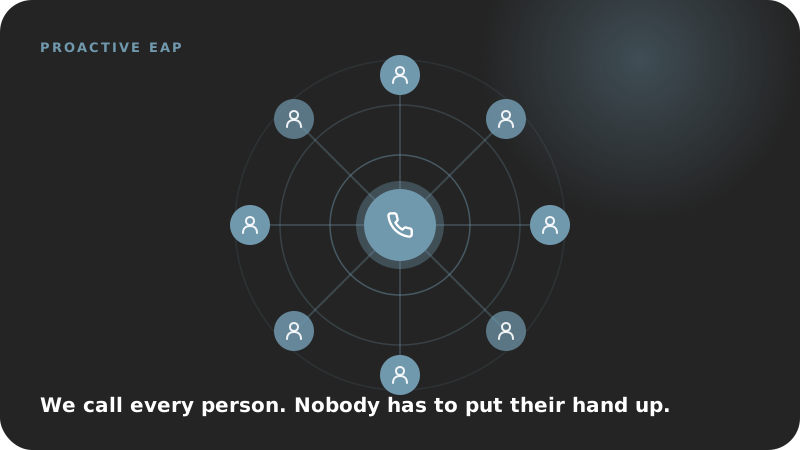

The call that reaches everyone
Proactive check-insWhat it asks of you
- 1
Scope it.
Which teams, which cadence (monthly to twice a year), which delivery mode (AI assisted or 100% human).
- 2
Decide how small teams combine.
Nothing under five people is ever shown alone; you agree how smaller teams fold into larger units.
- 3
Put the report into the review cycle.
It is only a control if someone owns the response.
- 4
Nominate who receives the follow-up list.
A named list of people the calls could not reach, based only on whether a call connected, goes to your wellbeing administrator so someone can check they are OK.
- 5
Keep it out of performance management.
The agreement says so; the trust depends on it.
Sample report
What you see after a check-in cycle
Click a factor, switch teams, or step through identify, assess, control and review. This is a sample for a fictional organisation with invented numbers.
Sample cycle, quarterly check-ins
Riverbend Freight Co.
Employees spoken to
81%
194 of 240
Unsuccessful contacts
11
to follow up
MHFR sessions booked
9
Avg. call duration
7:40
Work organisation
- Job security & precarious workNo signal this cycle
Social factors
- Organisational & workgroup cultureNo signal this cycle
- ⚠HarassmentNo signal this cycle
- ⚠Violence at workNo signal this cycle
Work environment
Work organisation · across all teams
Workload & work pace
- Mentions
- 28
- People who raised it
- 19
- Peak severity
- Chronic
- Trend vs prior
- ↑ 18%
By team
- Warehouse12
- Transport10
- Customer service4
- Finance and admin2
What people said, de-identified
- Shifts have been short-staffed most weeks since peak season started.
- Pick targets went up without a change to breaks or rosters.
- People are skipping breaks to keep up with the dock schedule.
Plain-language summaries, never anyone's own words.
All 20 factors are listed, including those where nothing surfaced. No signal means nothing was raised this cycle; it is not an assessment that the factor is safe or controlled.
- Team hiddenFewer than five people, rolled up into the totals
92 people · this cycle
Warehouse
Top factors raised
- 1Workload & work pace
- 2Job demands
- 3Support & supervision
Themes appear only for groups of five or more. Smaller teams fold into the totals so no one can be singled out.
Every person was offered a check-in this cycle, so hazards surface from the whole workforce, not only the people who speak up.
In this sample, Workload & work pace and Job demands surfaced most, concentrated in Warehouse and Transport. One escalation factor was raised and followed up.
Each theme carries a severity mix, the number of people who raised it and the trend against the last cycle.
Workload was raised by 19 people, mostly at strain and distress, up 18% on the prior cycle. That is the assessment input: how widespread, how serious, which way it is moving.
Your leaders and responders decide the controls, in consultation with the people affected. The report shows where to act first.
Example controls a business might record: rebalance peak rosters in Warehouse, add a mid-shift break, give Transport earlier notice of roster changes.
The next cycle is comparable with this one, so you can see whether exposure fell after you acted, not only whether actions were done.
Working hours & schedule is down 6% after last cycle's change to roster notice. Leadership is down 10%.
Questions risk managers ask

Current evidence, every cycle.
A 30-minute conversation about your register, your teams and where a check-in with every person would strengthen identification and review. No obligation.
Also written for
Leaders & Executives
Accountable for the risk, with the visibility to act on it, and the evidence for the board.
Read morePeople & Culture Leaders
A programme your managers can run and your people will use, started within four weeks.
Read moreTeam Leads & Employees
What happens on the check-in call, what is kept, and who sees what. Written for the people being called.
Read more